Environment cues
Place shoes visibly, schedule calendar blocks as “outdoor transition,” and choose routes with safe lighting for your usual times.
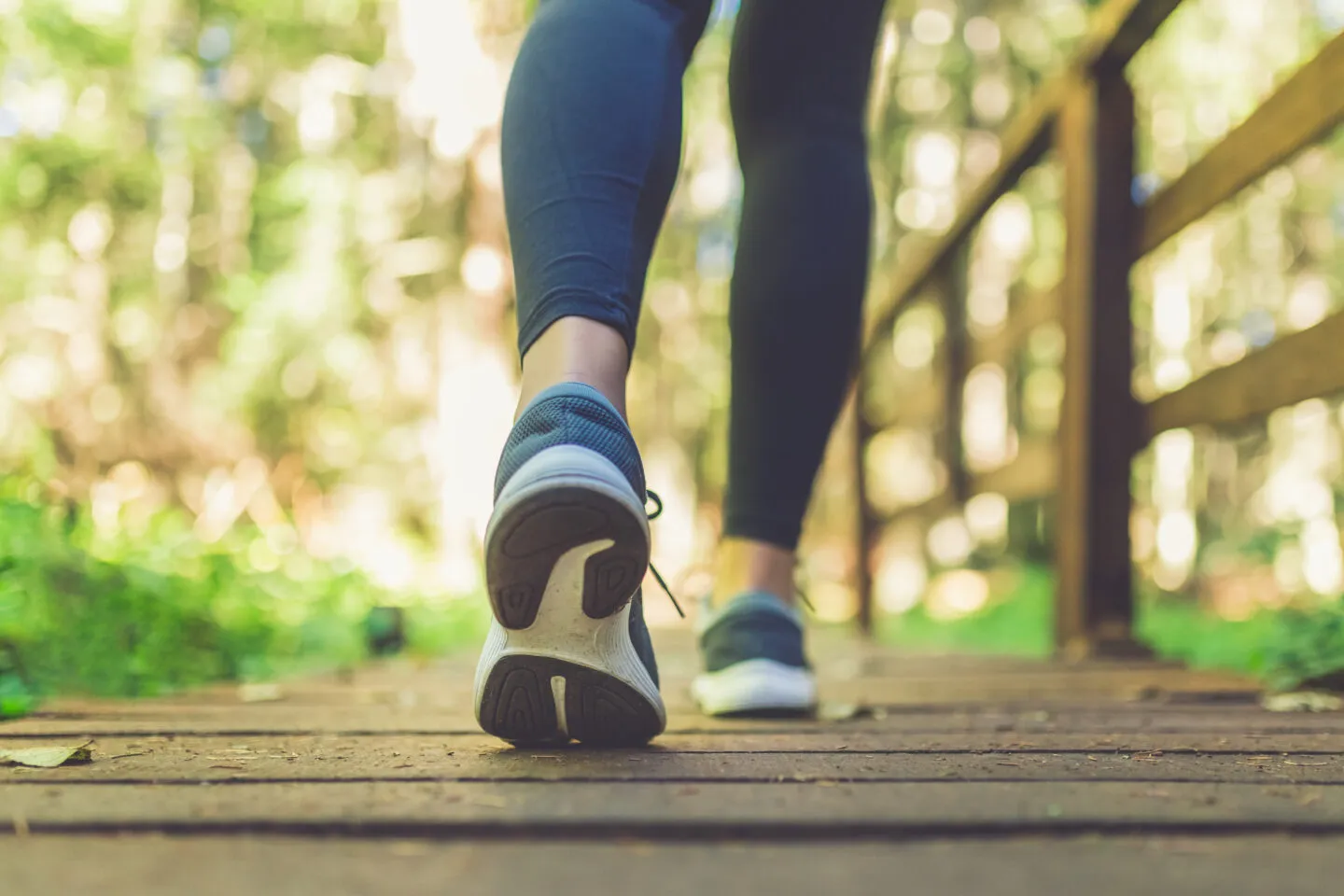
Pair a walk with an existing anchor—morning coffee, end-of-lunch, or closing your laptop—to reduce decision fatigue.

Your brain already recognises the anchor. The walk becomes an extension of that signal rather than a separate negotiation each day.
Start with five minutes. Expand only after the stack feels automatic for two weeks.
Rain, heat, and wind are predictable barriers. Prepare micro-routes: covered arcades, early-hour loops, or indoor corridor alternatives.
Keep footwear and a light layer by the door. Reducing prep time often matters more than motivation speeches.
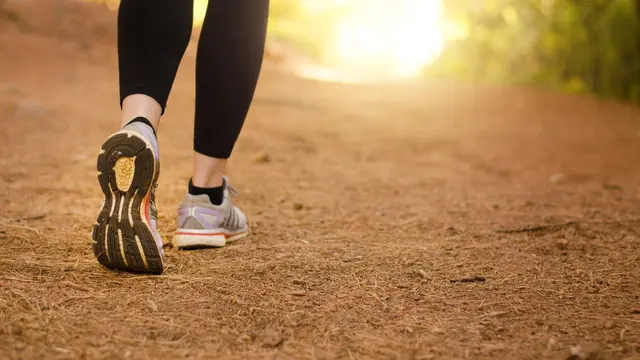
Track presence, not perfection. A short walk on a busy day preserves the identity of someone who moves outdoors regularly.
Place shoes visibly, schedule calendar blocks as “outdoor transition,” and choose routes with safe lighting for your usual times.
List what stops you—bag weight, unclear route, phone distractions—and remove one barrier per week instead of attempting a full overhaul.

Use the Environmental Pacer on the home page or browse audio tracks matched to your intent.
Open Environmental PacerWe use cookies to improve site functionality and analyse traffic. See our Cookies Policy and Privacy Policy for details.